

Category
Stick / MMA welding equipment
Choosing an arc welding machine comes down to portability and amperage: a lightweight inverter for site work and repairs, or a heavier-duty unit for continuous workshop use. Every arc welding machine below runs the Stick (MMA) process, working through a consumable flux-coated electrode rather than a gas-shielded wire or tungsten — no gas bottle required, and it copes with rust, paint and outdoor wind better than MIG or TIG.
✓ Since 2002
✓ In-house torch workshop
✓ Air Products gas agent
✓ Direct-to-consumer pricing
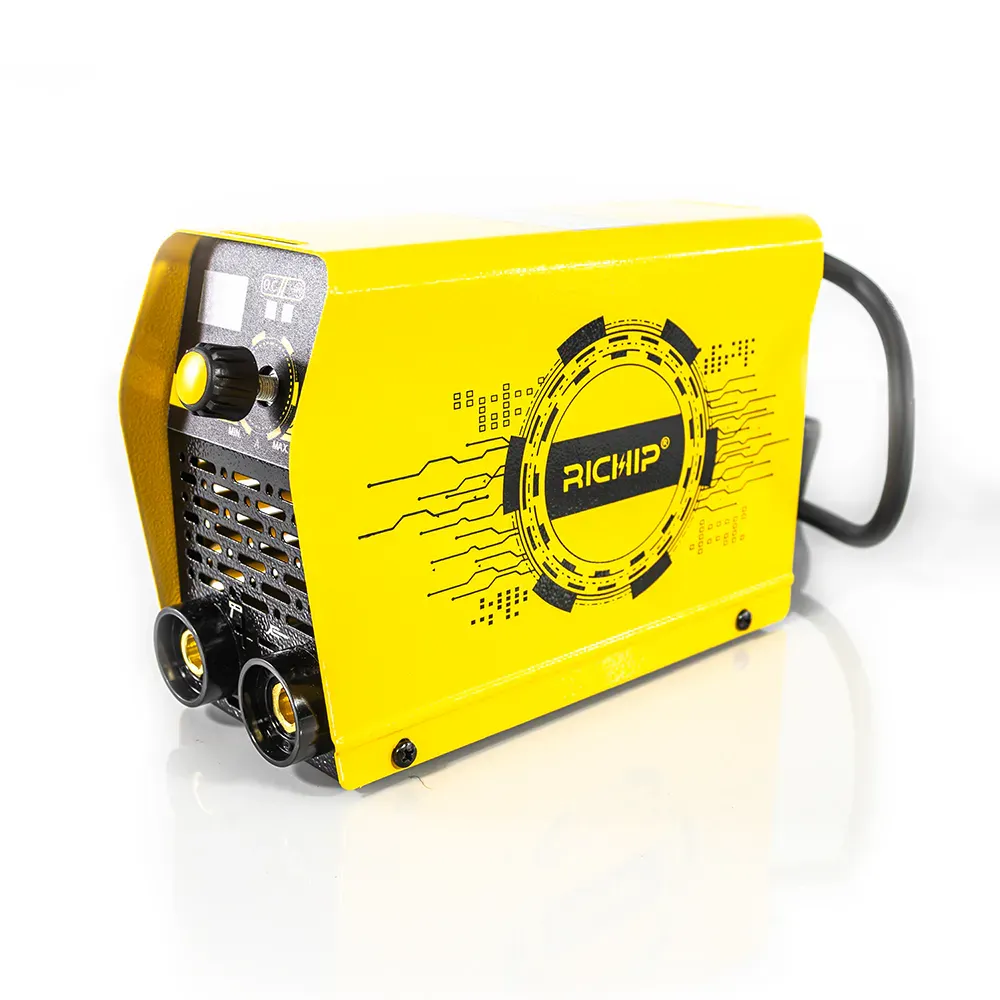
Four arc welding machines are in stock in Kempton Park and priced direct, from R1,035 for a compact 120A unit up to R3,300 for a 200A Alpha ARC Fury inverter built for daily workshop use. Entry-level machines suit light repairs and farm work; the higher-amperage models handle thicker steel and longer welding sessions without derating.
We have built and repaired MIG, TIG and arc welding machines in our own workshop since 2002, and we are an Air Products gas agent — so when your next job calls for a different process, the machine, gas and consumables are sorted in the same place you bought this one. And if your arc welding machine ever needs service, the people who sold it to you are the people who fix it.



E6013 General Purpose Electrode Vitemax 5kg
Price range: R730.00 through R1,430.00 incl. Vat
View product

Stick or MMA — is it the same machine?
Yes. "Stick welding," "MMA welding" and "arc welding" (in the narrower sense used on a welding shop floor, rather than the broader technical umbrella that also covers MIG and TIG) all describe the same process: a flux-coated electrode strikes an arc against the workpiece and melts into the joint while its coating burns off to shield the weld from the air. An arc welding machine, in this sense, is simply the power source and electrode holder that drives that process — no wire feeder, no gas bottle, no tungsten electrode involved.
How much amperage do you need?
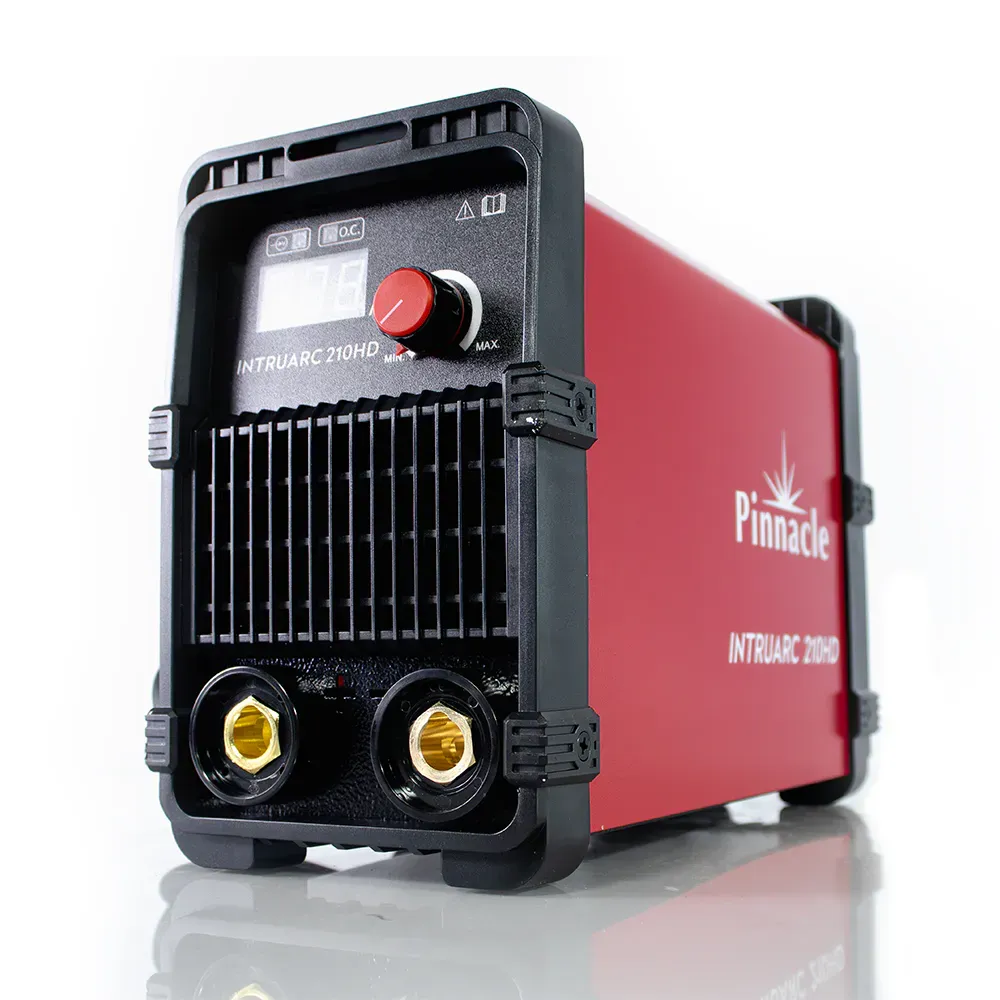
Amperage sets how thick a piece of steel you can weld in one pass, and how long you can weld before the machine needs to cool down. A 120A machine, like the Rilon MMA 120E, handles light-gauge steel, gates, trailers and general household repairs. Stepping up to 160A (Alpha ARC Fury 3 160A) or 200A (Alpha ARC Fury 3 200A, Pinnacle IntruARC 210HD) covers structural steel sections, chassis work and heavier farm or workshop repairs, with more headroom before the duty cycle limit is reached on a longer continuous run.
Portable machine, or workshop unit?
All four arc welding machines in this range are inverter-based, which makes them noticeably lighter and more compact than older transformer-style welders — the Rilon MMA 120E weighs 1.5kg. That portability is a major reason to reach for stick over MIG or TIG on site: there's no gas bottle to load and unload, and the open arc tolerates the kind of wind that would blow a MIG shielding gas cloud straight off the weld pool.
Arc welding, or TIG too?
The Pinnacle IntruARC 210HD covers Stick and Lift TIG start from the same power source, useful if occasional thin-material or stainless work comes up alongside general stick jobs. For dedicated, full-featured TIG work — pulse control, AC/DC output for aluminium, foot-pedal amperage control — see our TIG welding machines range instead, built around machines designed for TIG first rather than as a stick machine with a TIG mode added on.
What you'll need beyond the machine
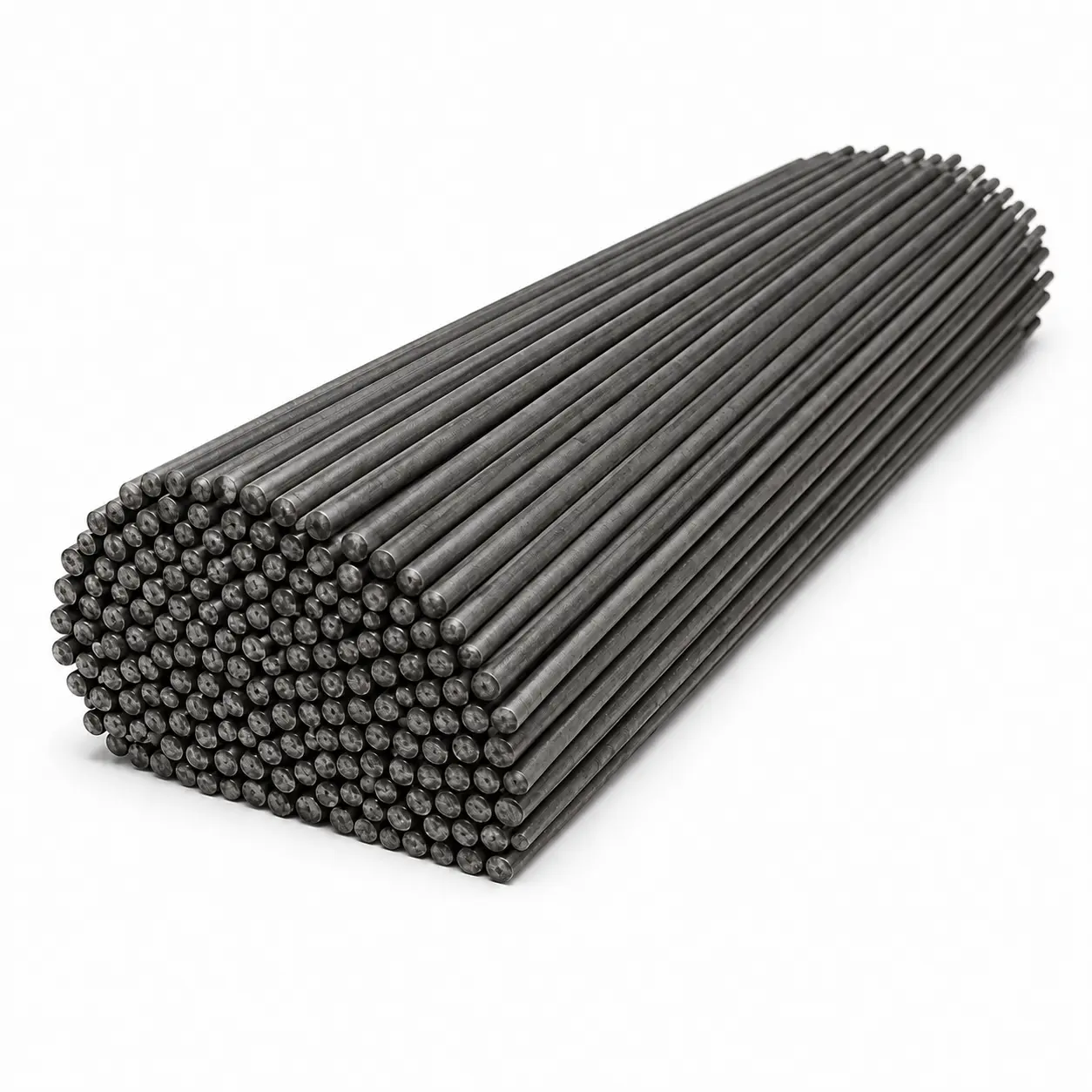
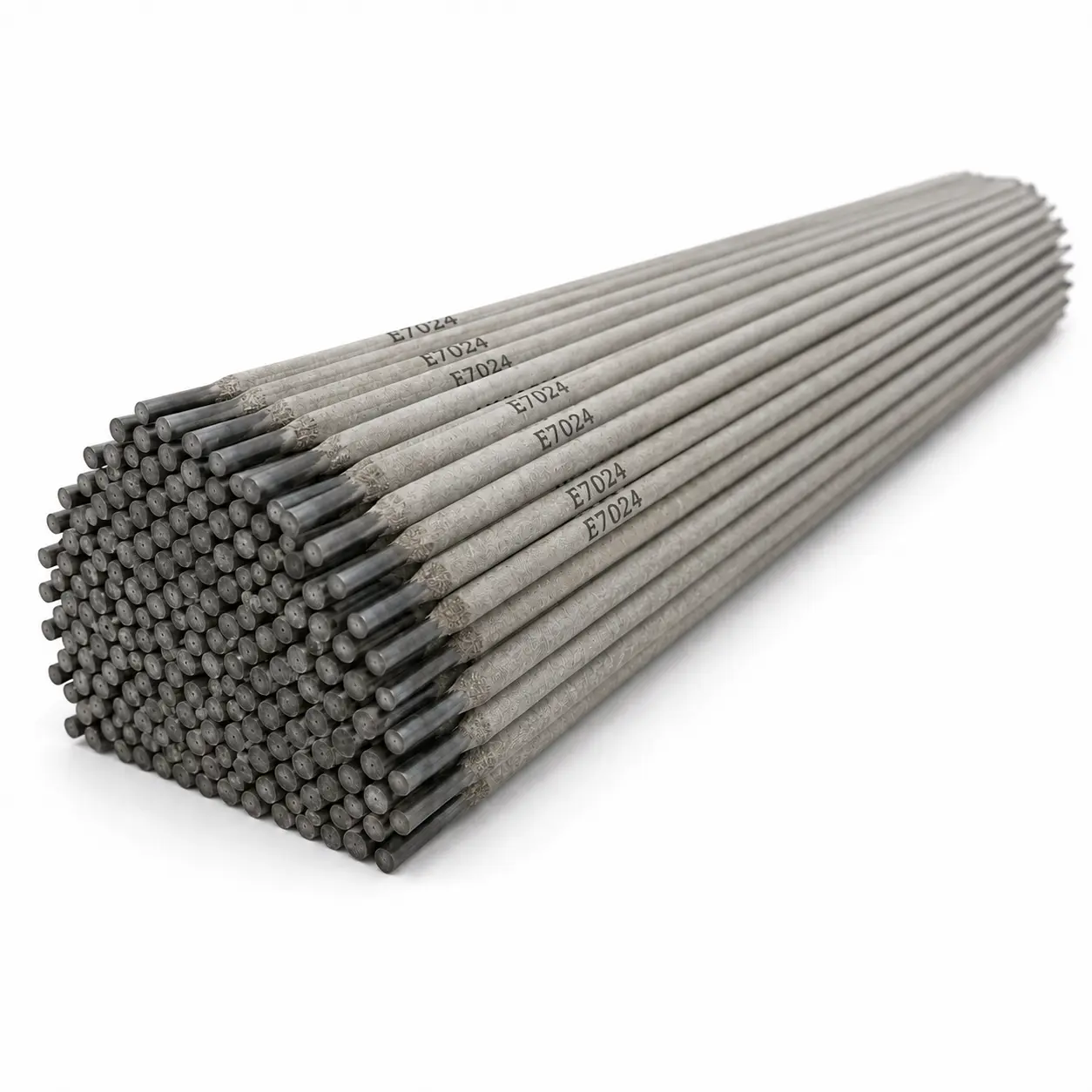
An arc welding machine is only half the job — the electrode you load it with does the rest. E6013 general-purpose rods suit everyday mild steel work and are the easiest to strike for a beginner. E7018 low-hydrogen rods give a stronger, cleaner weld for structural and higher-load joints. Stainless and cast-iron repairs need their own matched electrode classification rather than a general-purpose rod. Browse the full welding electrodes range, stocked alongside the machines in the same Kempton Park store.
Why buy your arc welding machine here
We have built and repaired MIG, TIG and arc welding machines in our own workshop since 2002, and we are an Air Products gas agent — useful the day you add a MIG or TIG machine to the same job. Every machine here is sold and priced direct, in stock in Kempton Park, with no reseller markup added on top.
Common questions
What is a stick welder best for?
A stick (MMA) welder is best for thick steel, outdoor work, and dirty or rusty metal that would foul a MIG gun. It needs no shielding gas, tolerates wind on site, and handles structural steel, farm repairs, and general fabrication where portability matters more than weld speed.
Which welder is best for DIY?
For occasional home and DIY use, a compact stick welder under 160A covers most repairs, gates, trailers and general steel work without the setup a gas-shielded MIG needs. Our Rilon MMA 120E and Alpha ARC Fury 160A both suit this level, from R1,035.
Does stick welding require gas?
No. Stick (MMA) welding uses a flux-coated electrode that creates its own shielding gas as it burns, so no gas bottle, regulator or flow meter is needed. This is why arc welding machines are the choice for outdoor and site work where wind would blow gas shielding away.
What are the disadvantages of stick welding?
Stick welding is slower than MIG, leaves slag that must be chipped off every pass, and produces more spatter and smoke. It also takes more practice to strike and hold a clean arc. The trade-off is a machine that costs less, needs no gas, and works anywhere.
What is the best stick welder for a beginner?
A beginner should start with a simple, affordable inverter stick welder around 120A rather than a high-amperage industrial unit. The Rilon MMA 120E (R1,035) is a straightforward entry point for learning arc control and electrode technique before stepping up to a larger machine.
How much does an arc welding machine cost?
Amalgum Welding Shop's arc welding machines run from R1,035 for a compact 120A inverter to R3,300 for a 200A workshop unit, all in stock in Kempton Park with no reseller markup. Price scales mainly with amperage and duty cycle, not brand name.
What is the trick to stick welding?
Keep a short, consistent arc length, hold the electrode at roughly a 15 to 20 degree drag angle, and move at a steady pace so the puddle doesn't outrun the arc. Clean, dry base metal and the correct amperage for your electrode size matter more than any single technique.
Can't find what you need?
WhatsApp us the spec. If we don't have it on the site, we probably have it in the workshop.