
Category
MIG welding equipment
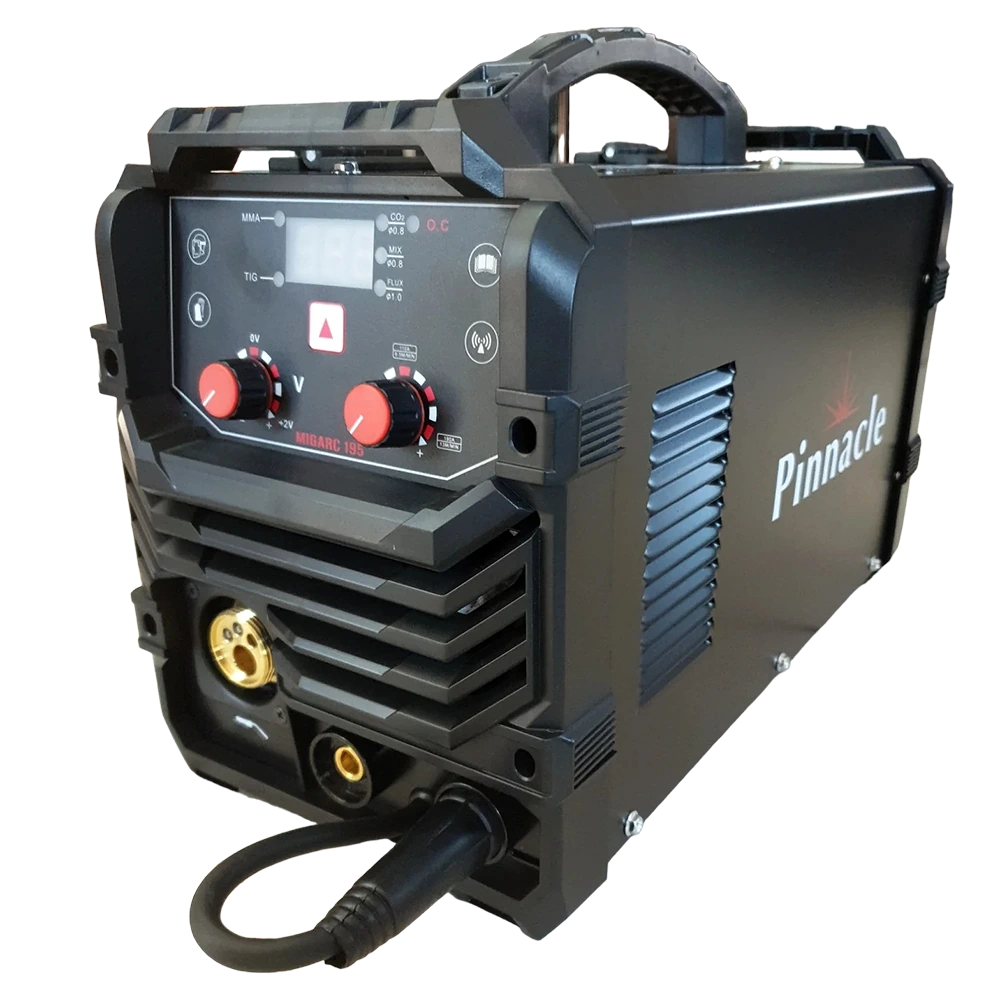
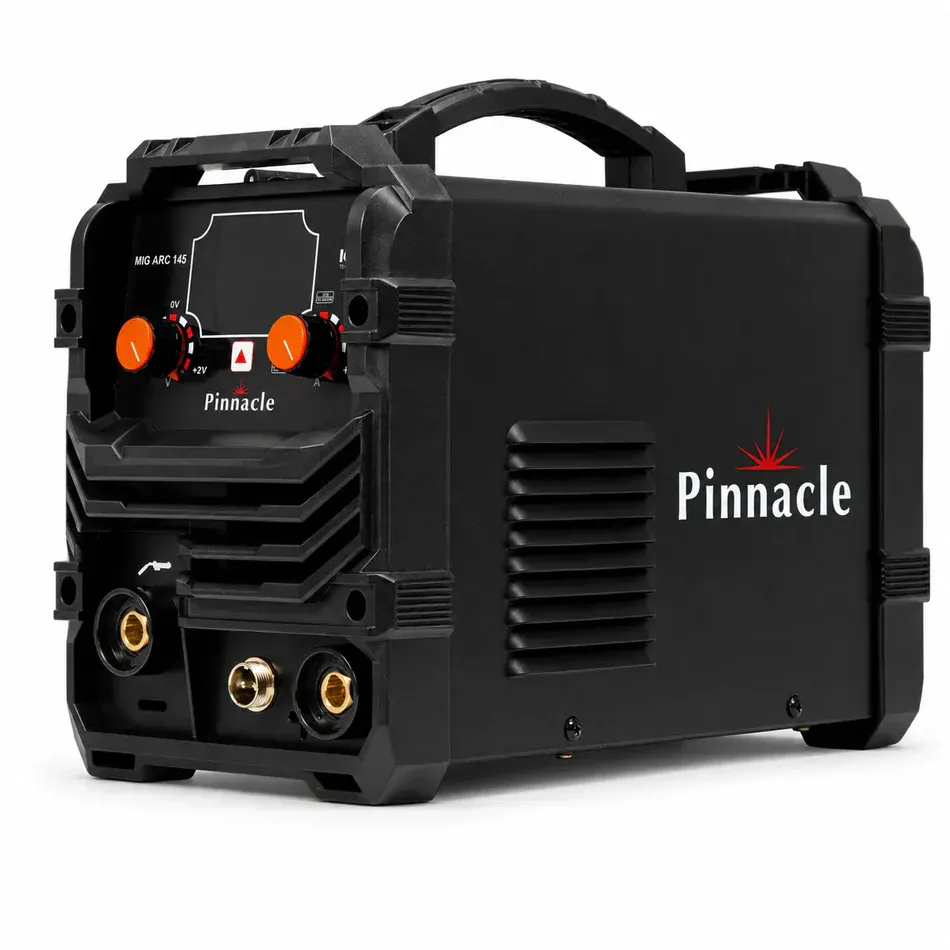
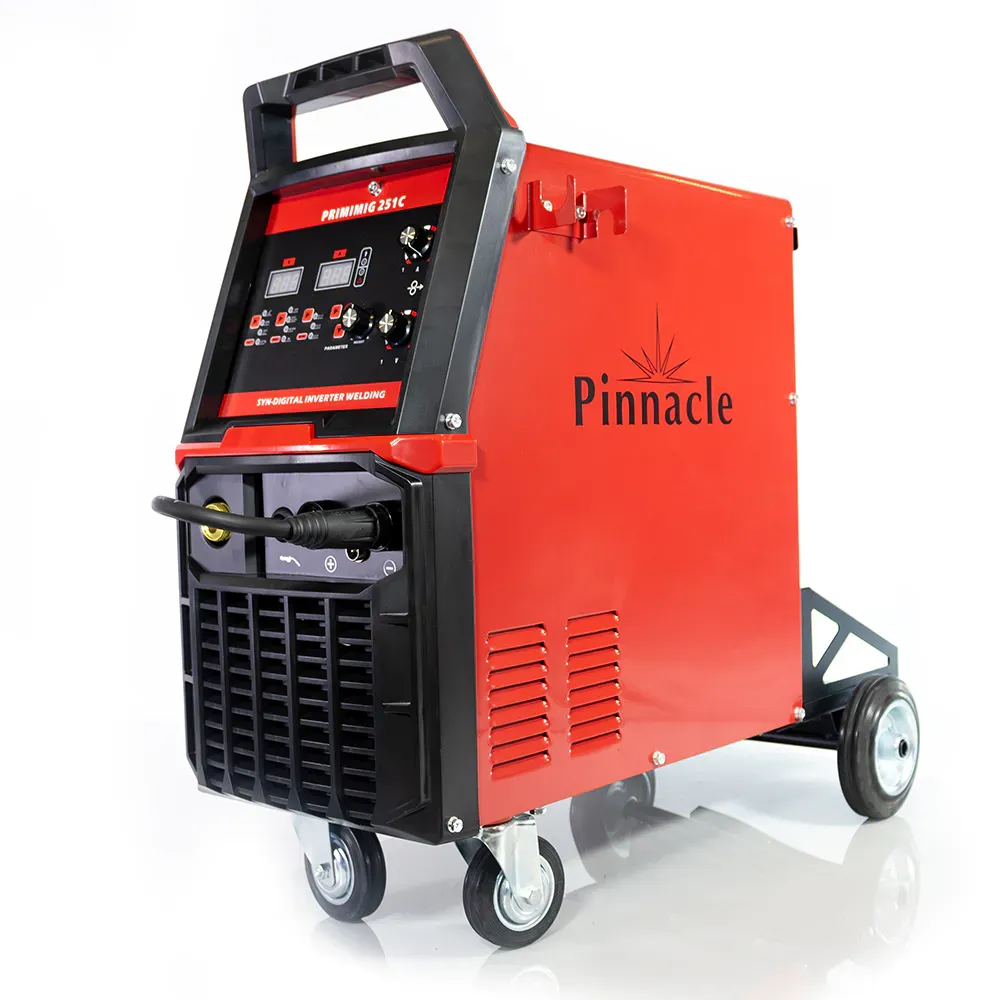
MIG welding is a practical, high-productivity process for fabrication, repairs and production work on mild steel. Compare the current MIG and multi-process machines below, including gas-shielded and flux-cored capabilities where confirmed. Open each product page for specifications, included equipment, current pricing and availability.
✓ Since 2002
✓ In-house torch workshop
✓ Air Products gas agent
✓ Direct-to-consumer pricing



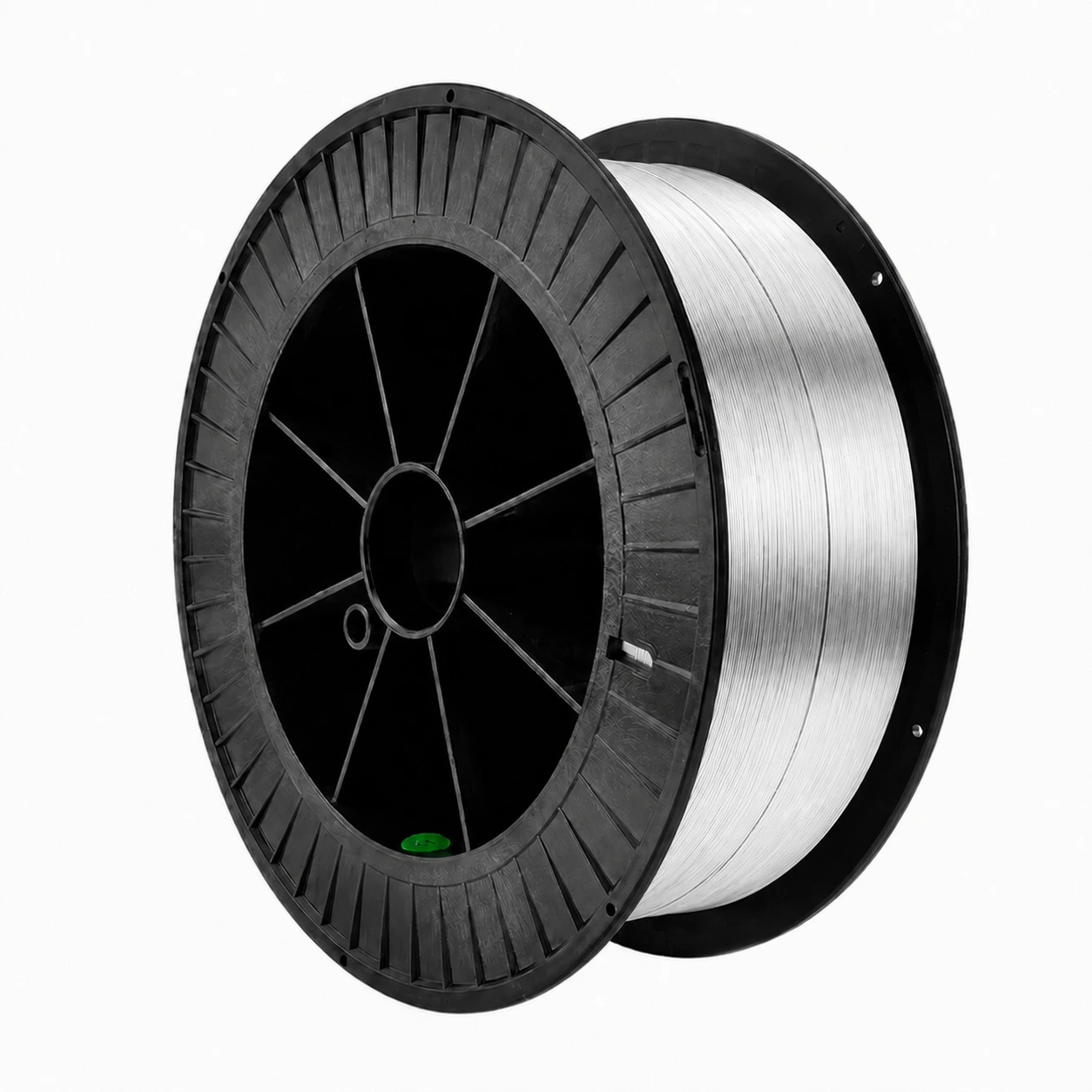
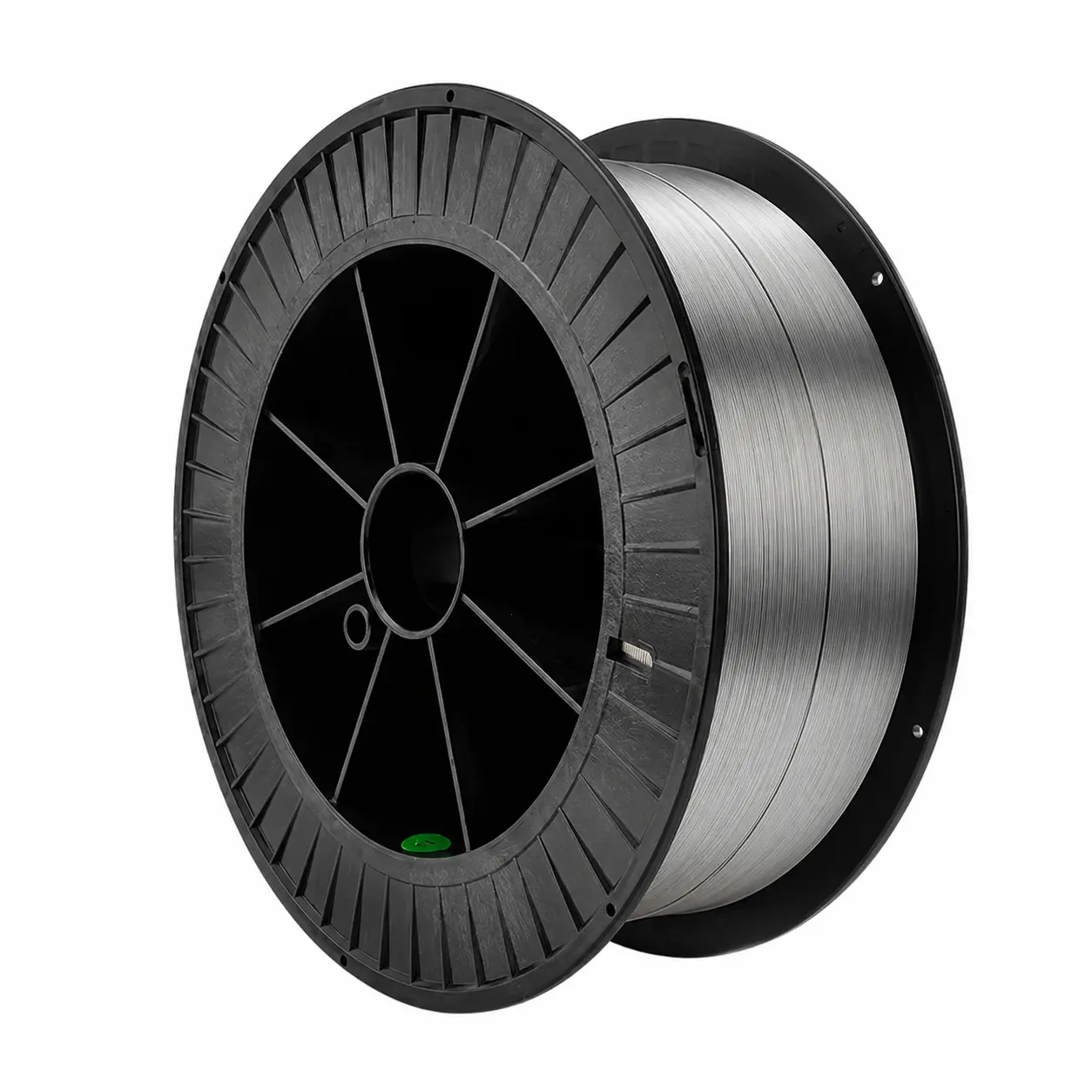
MIG316LSI Stainless Steel MIG Welding Wire
Price range: R1,550.00 through R3,000.00 incl. Vat
View product

Choosing a MIG welder
Three things decide which machine is right: what you're welding, how thick it is, and how often you'll use it.
Material & thickness. A 140–160A machine handles most home and light fabrication work on mild steel up to about 6mm. Step up to 200A+ for daily workshop use or thicker material.
Duty cycle. This is the percentage of a 10-minute period a machine can weld continuously before it needs to cool. Higher duty cycle means less downtime on long runs — worth checking against how you actually work, not just the amperage number.
Gas or gasless. Gas (MIG/MAG) gives cleaner welds and less spatter — the better default for finished work. Gasless (flux-cored wire) skips the gas bottle entirely, which suits outdoor or windy sites where gas shielding blows away.
MIG vs TIG vs Stick
If you're comparing processes rather than machines: MIG is fastest, easiest to learn, and best for mild steel fabrication and general repair work. TIG is slower and more precise — the process of choice for stainless steel, aluminium and thin material where weld appearance matters. Stick (MMA) is the most portable and least fussy about clean or rusty metal — the go-to for outdoor and structural work.
Wire, gas and consumables
Running a MIG welder day to day means keeping wire, contact tips and gas on hand. We stock 0.6–1.2mm wire in the common spool sizes, and we're an accredited Air Products agent for shielding gas — see our gas range.
Common questions
What's the difference between MIG, TIG and Stick welding?
MIG feeds a continuous wire electrode and shielding gas for fast, easy welds on mild steel. TIG uses a non-consumable tungsten electrode for precise, clean welds on thinner or more exotic metals. Stick (MMA) uses a flux-coated electrode and works well outdoors or on dirty and rusty metal.
What amperage MIG welder do I need?
For most home and light workshop jobs on mild steel up to 6mm, 140–160A is enough. Daily industrial use or thicker material calls for 200A or more.
Can I MIG weld without gas?
Yes — gasless (flux-cored) wire lets you MIG weld without a gas bottle, which is useful outdoors or on site where wind would blow shielding gas away. It produces more spatter and smoke than gas-shielded MIG, so gas is the better choice for finished indoor work.
Can't find what you need?
WhatsApp us the spec. If we don't have it on the site, we probably have it in the workshop.